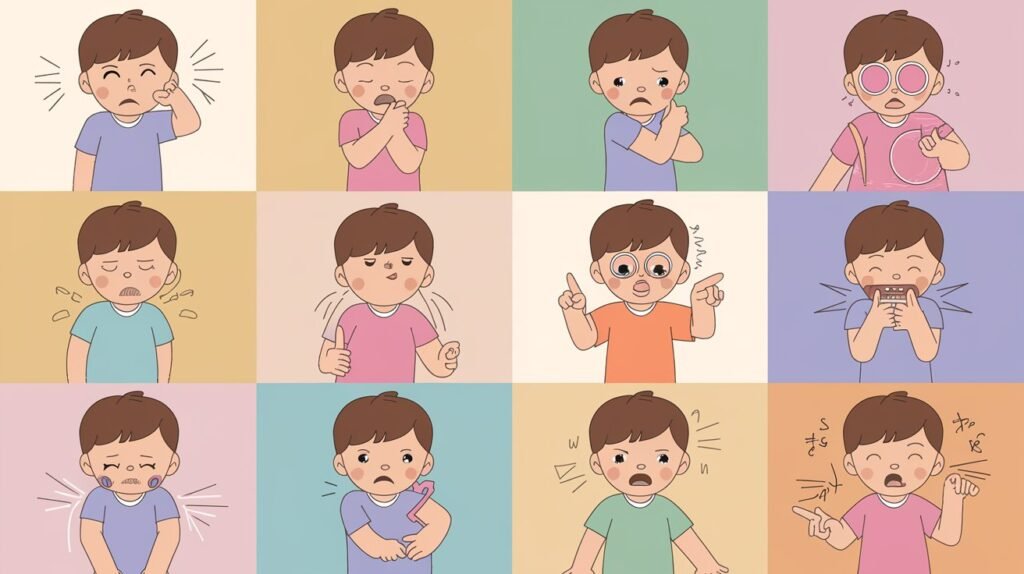
1. Delayed First Words
If your child hasn’t spoken any recognizable words by 16 months, it might be time to observe more closely.
2. Limited Vocabulary for Their Age
By 2 years, most children can say at least 50 words and use two-word phrases like:
- Want toy
- Go park
If that’s not happening, it may signal a delay.
3. Difficulty Being Understood
It’s okay if strangers can’t understand every word.
But if even close family struggles to understand your child beyond age 3, speech clarity might need support.
4. Little or No Eye Contact
Children communicate through more than just words.
A lack of eye contact, pointing, or gestures may be an early indicator of communication challenges.
5. Repetition Without Meaning (Echolalia)
If your child repeats words or phrases without understanding or meaningful use, it may point to language processing difficulties.
6. Lack of Interest in Communicating
Does your child avoid interaction or rarely initiate conversation—even with familiar people?
That could indicate a social-communication delay.
7. Frustration When Trying to Speak
Frequent meltdowns or tantrums when trying to express thoughts might show that expressive language isn’t keeping up with their needs.
8. Not Following Simple Directions
By 18–24 months, your child should understand simple commands like:
- Give me the ball
- Come here
If they’re struggling, it could be a receptive language delay.
9. Stuttering or Stopping Mid-Sentence
Occasional pauses are normal.
But frequent stammering, long pauses, or repeating syllables — especially if frustrating — may require support.
10. Regression in Language Skills
If your child was speaking and then suddenly stops using those words or phrases, it’s important to seek professional input right away.
What Should You Do If You Notice These Signs?
First, take a breath.
You’re not alone — and noticing is not the same as labeling.
It’s the first brave step toward understanding and supporting your child.
At Soulnest, Here’s How We Help:
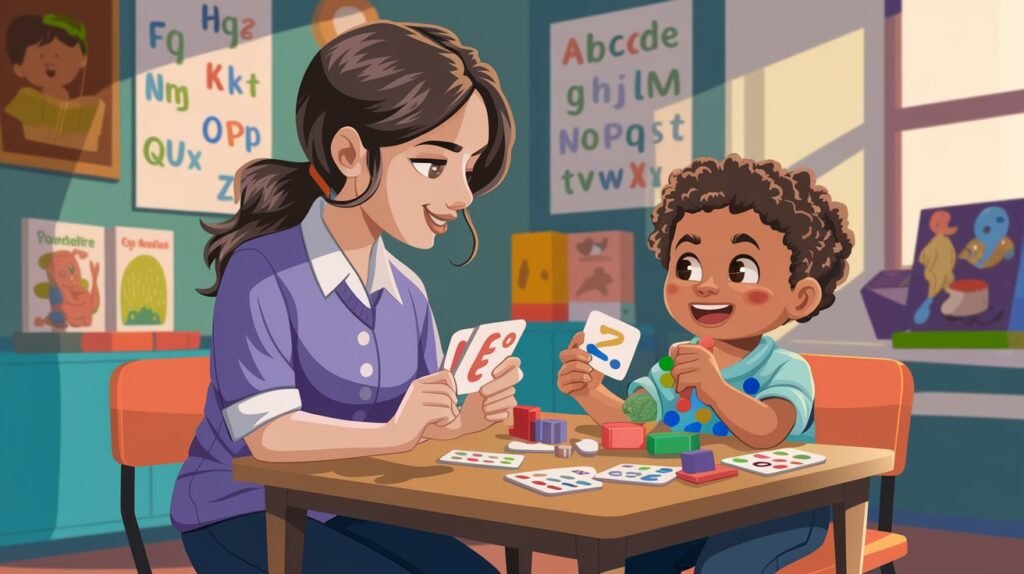
- Play-based assessments in a safe, nurturing environment
- Parent-led intervention strategies you can use at home
- Clear guidance on whether therapy is needed and what to expect
- No pressure, no panic — just mindful support
Let’s Nurture Communication, Together
If a small voice inside you is wondering:
Should I get this checked?
Trust it.
You don’t have to wait.
Contact usBook a consultation with Soulnest