Bath Time: Our Little Ritual
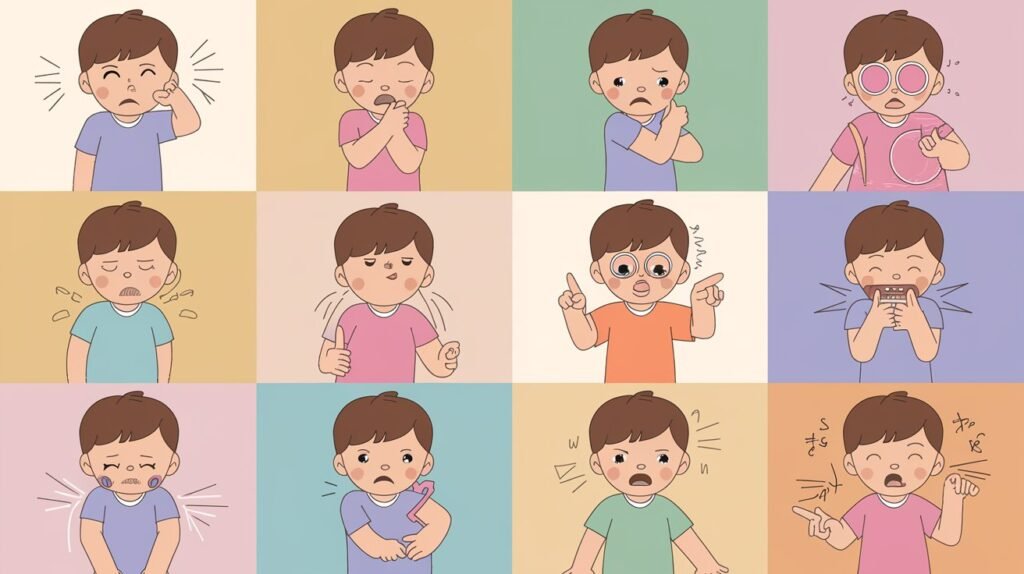
Every morning, I’d bathe Anagh and gently name each body part:
This is your tummy… these are your knees… here are your toes!
He loved it — fun, silly, and full of giggles.
Then came dressing time — and we’d name each piece of clothing:
This is your vest… your shorts… your underwear!
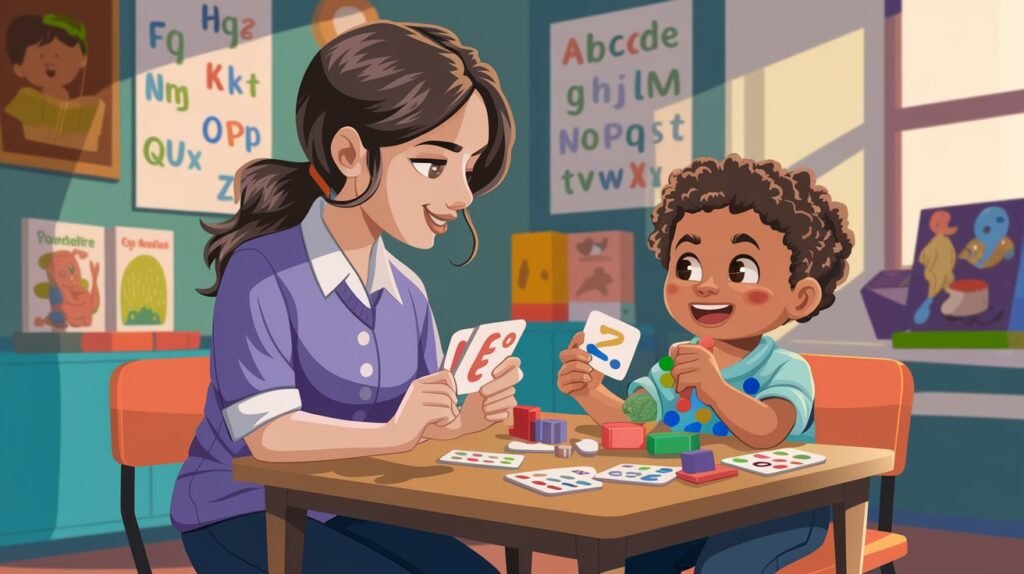
He’d proudly repeat after me — a curious sponge soaking up words.
It felt like I was building language — and I was.
But little did I know, I was also building awareness.
Then Came That Moment
One regular evening, we were sitting in the drawing room with a few guests over.
Songs were playing on the TV in the background.
A dance number started — the actress was in a bikini.
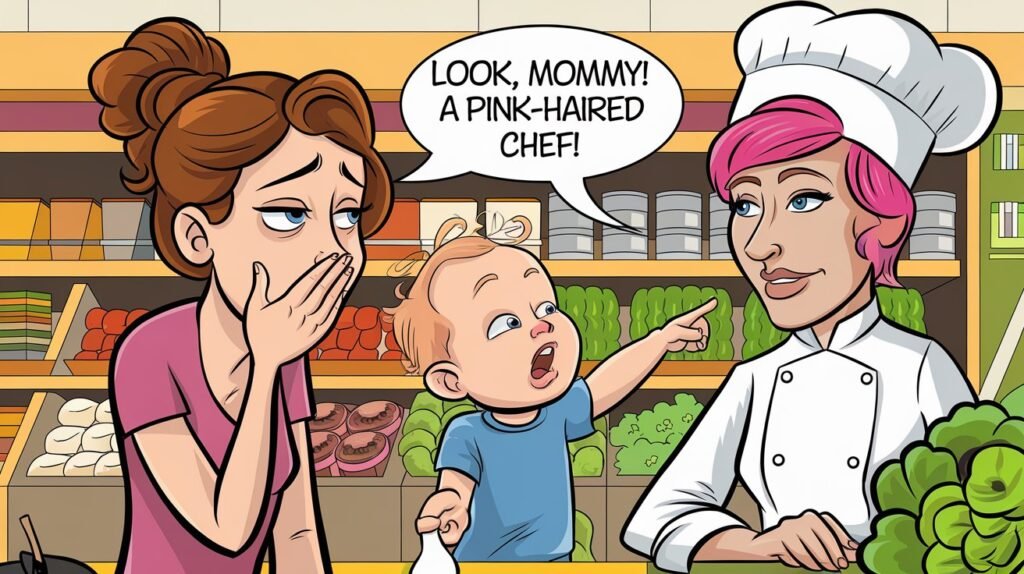
And suddenly, Anagh said loudly and clearly:
“Mumma dekho! Ma’am ne underwear pehna hai aur dance kar rahe hai!”
(Reason behind calling her “ma’am” — I’ll share in a future blog)
And I froze.
I felt a wave of embarrassment wash over me.
Not because he was wrong — he was simply saying what he saw.
But because I didn’t know how to respond.
And we had company.
My first instinct was to hush him.
But then… I caught myself.
Why Was I Embarrassed?
Because somewhere inside me, the conditioning kicked in:
- We don’t talk about underwear in front of others.
- We don’t “say such things.”
- We redirect. We whisper. We change the topic.
But here’s the thing —
He wasn’t being inappropriate.
He wasn’t misbehaving.
He was simply connecting the dots between what he’d learned and what he was observing.
And isn’t that exactly what I’d been teaching him?
That Moment Became My Mirror
It made me reflect on my own response — or lack of one.
Because if I had shamed him in that moment…
If I had said:
“No no, don’t say that!”
“That’s not nice!”
I would’ve unknowingly taught him:
- That some body parts are bad or wrong
- That being curious is embarrassing
- That his words can make me uncomfortable — and he should avoid them
And that’s the opposite of what I want.
What I’ve Learned Since Then
Now that I’ve sat with this experience, here’s what I’ve realized:
Moments like these are opportunities — not emergencies.
Here’s how I now choose to respond (and how I’ll handle it if it happens again):
1. Stay Calm, Stay Open
Take a breath. Smile gently.
Remember — they’re learning, not performing.
Instead of:
“Shhh! Don’t say that!”
Try:
Yes, that’s called a bikini. It’s like a swimsuit some people wear.
2. Keep the Tone Neutral, Not Shaming
Don’t whisper or react with shock.
Treat it like any other observation.
Just like we say, “That’s a dog,” we can say, “That’s swimwear.”
Let your tone model comfort — not discomfort.
3. Reinforce Respect, Not Silence
If needed, guide them gently about context:
“Some words we say at home, some we say quietly — but no words are bad.”
4. Be Proud of Their Awareness
Recognizing clothing, body parts, emotions — it all shows:
- Language growth
- Body awareness
It means they’re listening, learning, observing —
and trusting you enough to say it out loud.
From Embarrassment to Empowerment
That one sentence from Anagh reminded me of my own unlearning.
As parents, we often say we want open conversations with our children…
But when the opportunity comes — raw, real, unfiltered — we panic.
And that’s okay.
We’re learning too.
You Don’t Have to Be Perfect — Just Present
If you’ve ever found yourself speechless in moments like this, you’re not alone.
❤️❤️❤️ What matters most is not whether you said the “perfect” thing.
It’s whether your child still felt:
- Safe to speak
- Curious to ask
- Confident to come back to you next time
At Soulnest…
…I help parents navigate these tender moments — with clarity, connection, and calm.
From early language to body awareness and emotional growth —
you’re not in this alone.Let’s build language and confidence —
one curious moment at a time.