
She used to count the months.
14… 15… 16… and still, no real words.
Just sounds. Giggles.
An occasional mama — lost in the wind.
And everywhere she turned, people asked:
He doesn’t talk yet?
Boys are usually late, but still…
Have you tried flashcards or videos?
She shared this during one of our late-night chats.
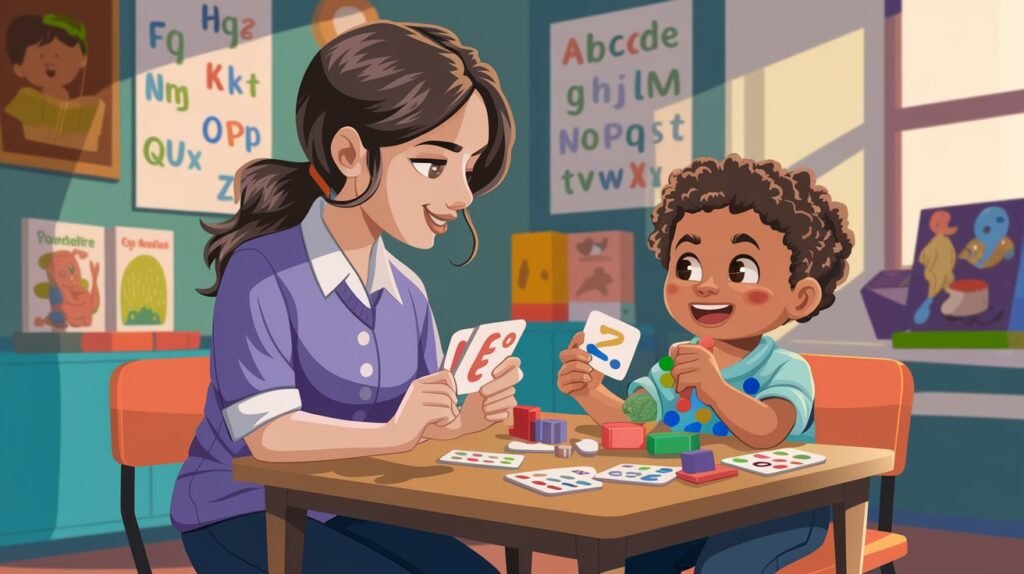
As a speech-language pathologist and a friend, I listened — not with a professional checklist,
but with my heart.
Because what she needed most in that moment
wasn’t answers — it was reassurance.
He Wasn’t Silent — She Just Had to Listen Differently
Over time, she began noticing the small things:
- The way he tugged her hand when he needed help
- The little sound he made for water
- The look in his eyes when he felt overwhelmed
- The smile that seemed to say, I trust you, even without words.
He was speaking — just not in the language the world expected.
Speech Is More Than Just Words
Speech is expression.
Language is connection.
And both bloom best in the soil of safety and love.
Children don’t all follow the same script:
- Some speak in sentences at two
- Some hum their feelings till three
- Some build towers, draw emotions, giggle, shout, whisper…
long before a single clear word emerges
And all of it counts.
Comparison Is the Thief of Confidence — Theirs and Ours
She admitted feeling guilty.
Even though she knew that every child develops differently,
she still found herself:
- Googling timelines
- Comparing progress
- Wondering, Am I doing enough?
That’s when I reminded her:
He doesn’t need pressure. He needs presence.
And as she softened into that truth,
she stopped seeing a checklist of milestones — and began seeing a whole human.
Unfolding in his own rhythm.
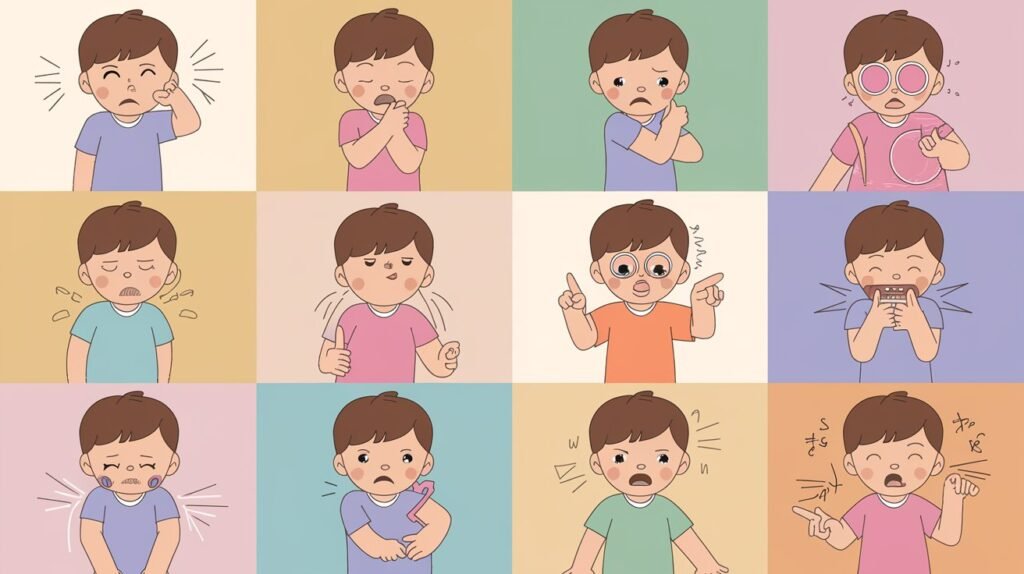
Every Gesture Was a Sentence
She began to notice magic in the smallest moments:
- The way he clapped when he succeeded
- The pause before a hug — silently asking for permission
- The meltdowns — not misbehavior, but communication overload
Our children speak with their whole selves before they ever use words.
We just have to tune in — not rush in.
What Helped Them Most
Here’s what supported their journey:
- Slow Mornings
Moments of just being — no agenda, no pressure - Songs & Routines
Because repetition brings comfort - Descriptive Talk
Not Say ball — but
“Look! The red ball is bouncing!” - Gentle Affirmations
She whispered:
You’re safe. I’m listening. You’re doing just fine.
(Even without understanding the words, he felt the energy.)
And Then One Day… He Spoke
Not a sentence.
Not even clearly.
But intentionally.
It began with a soft:
maaaa.
Then came:
done, bus, and a shy hug.
And just like that,
the world opened up.
But as she told me later —
The most powerful conversations we ever shared happened before he spoke a single word.
To Every Parent Waiting for Words
You’re not behind.
You’re not failing.
You’re nurturing.
And that is enough.
So if your child isn’t speaking yet:
- Look into their eyes
- Feel their rhythms
- Honor their gestures like poetry
- And respond like it’s the most important language in the world
Because it is.
❤️ Need Guidance for Your Child’s Speech Journey?
At Soulnest, I offer warm, non-judgmental speech and language consultations —
grounded in connection, not comparison.
Let’s honor your child’s unique voice — in all its forms.